

Every material here was chosen for what it does — how a bar lathers, how skin feels an hour later, how a room smells once the candle is out. Where a place is genuinely the reason a material is good, we name the place. Where it is not, we leave it off rather than dress it up.
The full list for any product, down to the wick, is on that product’s own page. Nothing is held back; it is simply kept where it is useful.
The ones worth knowing
The ones that decide
how it feels
The whole list matters. These are the ones you notice — on the skin, in the water, or on the price.

Coconut Oil
locks in hydration and soothes dry skin
The most-used oil in our workshop, and the one doing the least glamorous work: it is what gives a bar its lather and its hardness. Used alone it can be brisk on skin, so we always balance it against butters — which is the whole craft of a good base.
Deeply conditionin
Find it in

Vegetable Glycerine
The humectant most soap throws away
Glycerine draws water to the skin and holds it there. Commercial soap-making usually separates it out and sells it on; ours stays in, which is the single biggest reason a handmade bar feels different from a supermarket one.
Draws in moisture
Find it in

Himalayan Pink Salt
Rock salt, laid down before the mountains
Mined by hand from ancient seams beneath the Salt Range, its colour comes from the trace minerals held in the crystal. In a bath it softens hard water and carries the oils into it, which is what turns a soak into something that actually does anything.
Mineral soakKhewra
Find it in

Activated Charcoal
Made from coconut shell, not coal
Steam-activated so its surface becomes porous enough to lift oil and city grime from skin. We use it in the bars meant for the end of a hot day — it is decisive without being harsh, and it turns the bar a proper deep black.
Draws out impuritiesCoconut shell
Find it in

French Pink Clay
The polite one
The mildest clay we keep, and the one for skin that reacts to things. It cleanses gently rather than stripping, and lends the soft dusty rose that we never have to colour in.
Gentle cleansingProvence
Find it in
Aloe Vera
Cut fresh, and used as pulp
The leaf's inner gel, used for burns and sun long before it was bottled. We use the pulp rather than a powder so it brings its own water into the formulation — which is the entire point of it.
Cooling and calmingCoimbatore
Find it in
Rose Absolute
The most expensive thing in the workshop
It takes several thousand roses to make a few millilitres, which is why so much of what is sold as rose is not. Ours is a true absolute from Kannauj, where the distilling houses have worked the same way for four centuries — and a little of it perfumes a whole batch.

Coffee
Perfect exfoliator for your stressful day
Used twice over: ground for a proper morning scrub, and infused for the scent, which is nothing like a coffee fragrance oil. Coffee is also the only thing we have found that genuinely takes the smell of garlic off hands.
Waking scrub
Find it in
Soy Wax
Burns clean, and burns down
A vegetable wax that melts at a lower temperature than paraffin, so it burns longer and cooler and throws scent without needing heat to do it. It also washes out of a jar with hot water, which means the vessel outlives the candle.
Everything, by what it does
Grouped by the job it has
Grouped by what the ingredient does. Every entry names the formulations it appears in, so you can go from curious to the actual bar without a search.
Oils & Butters
The base. These decide whether a bar lathers, how long it lasts, and whether your skin feels looked after or stripped afterwards. Nothing added later can rescue a poor one.
5
Oils & Butters
The base. These decide whether a bar lathers, how long it lasts, and whether your skin feels looked after or stripped afterwards. Nothing added later can rescue a poor one.
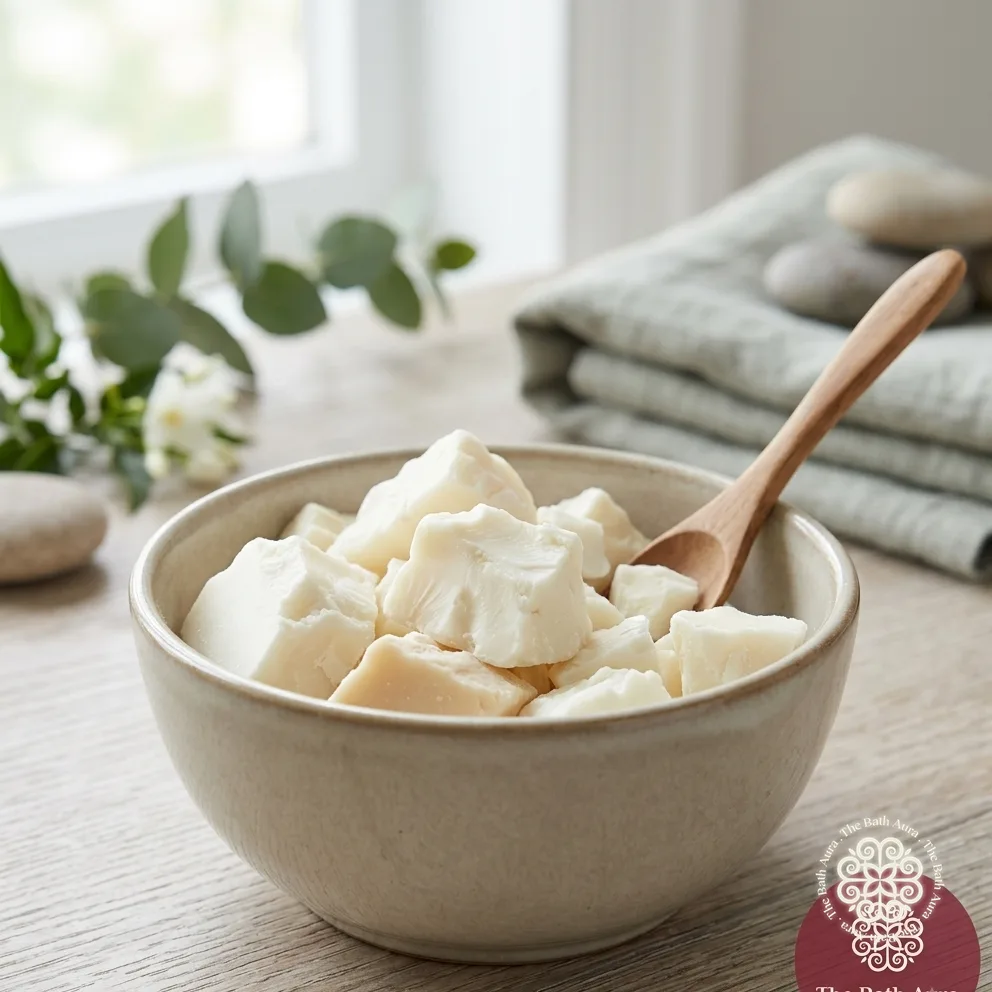
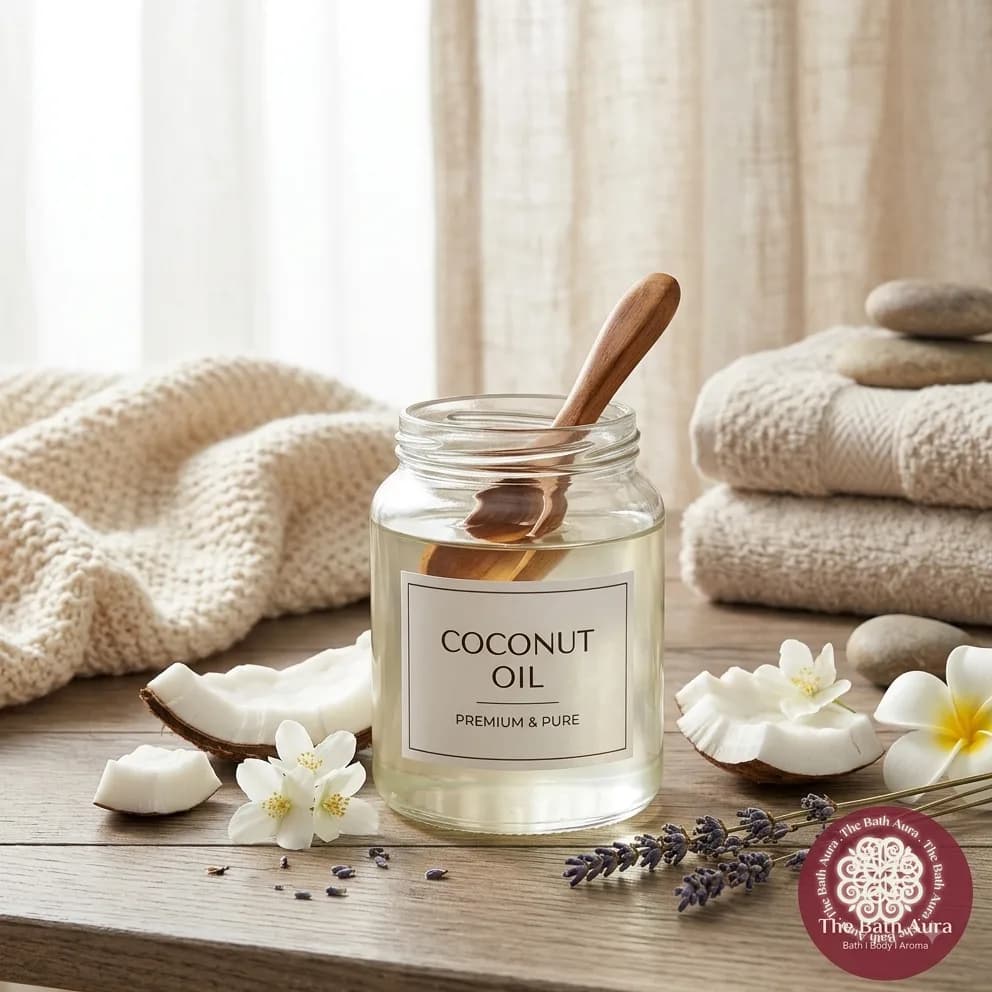
Coconut Oil
locks in hydration and soothes dry skin
The most-used oil in our workshop, and the one doing the least glamorous work: it is what gives a bar its lather and its hardness. Used alone it can be brisk on skin, so we always balance it against butters — which is the whole craft of a good base.
Deeply conditionin
Find it in
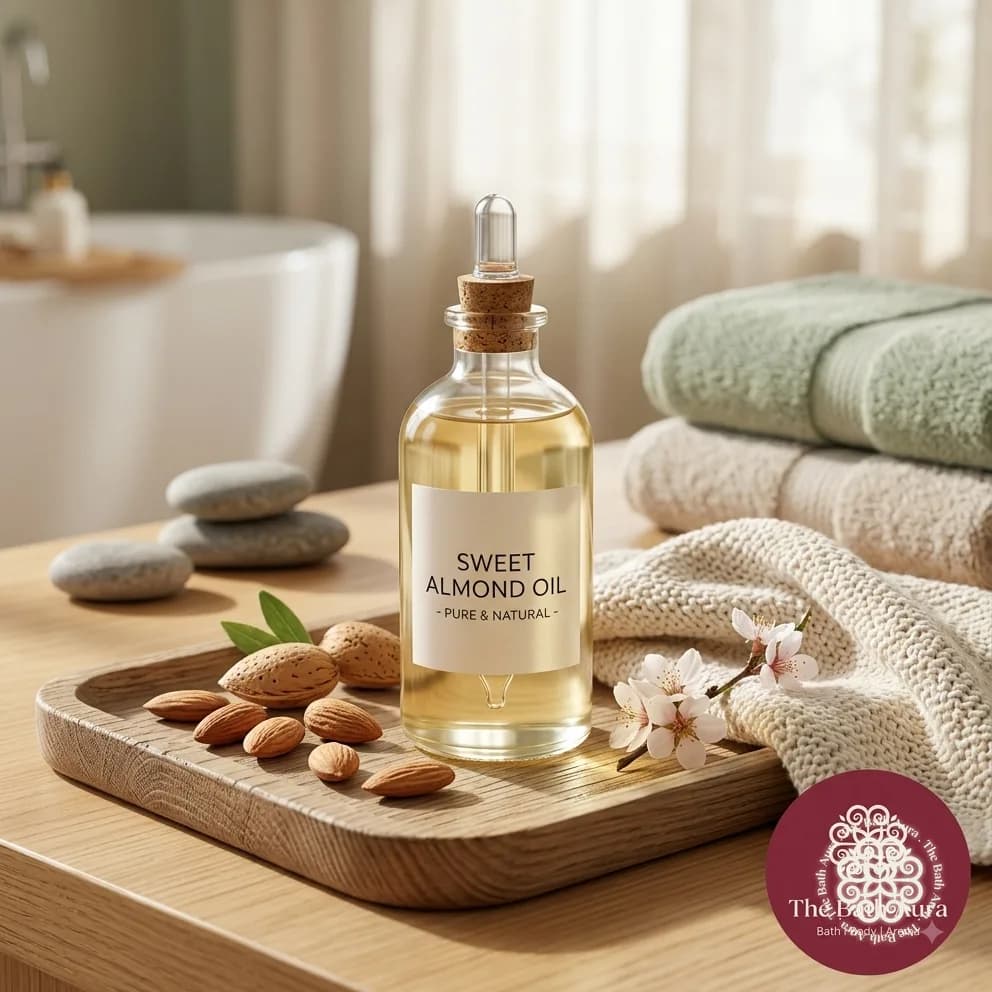
Sweet Almond Oil
The gentlest oil we keep
Mild enough that it is the oil traditionally used on babies, and rich in vitamin E. We reach for it when a formulation needs softness without weight — it leaves skin comfortable rather than coated.
Softening
Find it in

Castor Oil
The one that makes the lather creamy
A small amount changes everything about how a bar feels: castor oil turns a thin, quick lather into a dense and creamy one that stays. It is the least visible ingredient here and one of the most missed when it is absent.
Rich, stable lather
Find it in
Vegetable Glycerine
The humectant most soap throws away
Glycerine draws water to the skin and holds it there. Commercial soap-making usually separates it out and sells it on; ours stays in, which is the single biggest reason a handmade bar feels different from a supermarket one.
Draws in moisture
Find it in
Clays & Minerals
Earth and salt — the oldest things we use, and the ones that do the physical work of a soak or a cleanse.
5
Clays & Minerals
Earth and salt — the oldest things we use, and the ones that do the physical work of a soak or a cleanse.
Himalayan Pink Salt
Rock salt, laid down before the mountains
Mined by hand from ancient seams beneath the Salt Range, its colour comes from the trace minerals held in the crystal. In a bath it softens hard water and carries the oils into it, which is what turns a soak into something that actually does anything.
Mineral soakKhewra
Find it in
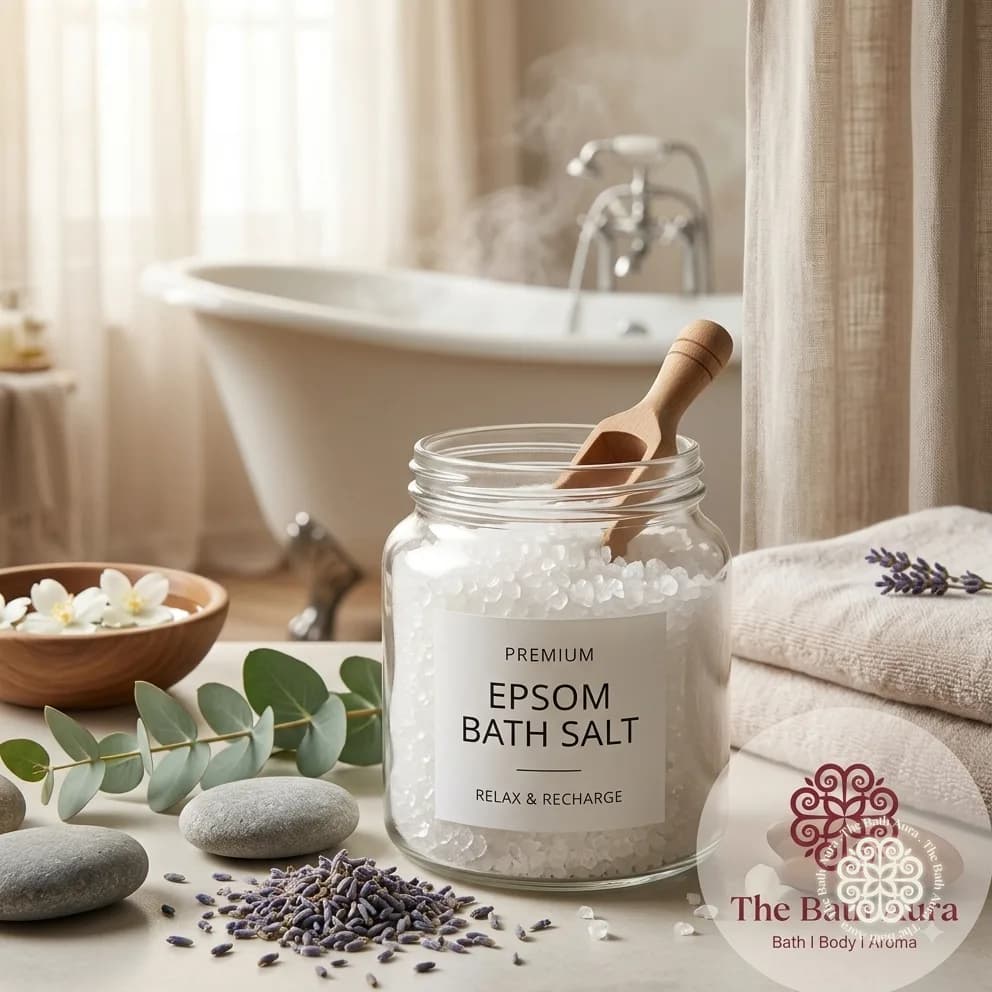
Epsom Salt
For the ache after a long day
Magnesium sulphate, not really a salt at all. It dissolves quickly and completely, and it is the reason a bath is where people go after a long walk or a longer week.
Eases tired muscles
Find it in
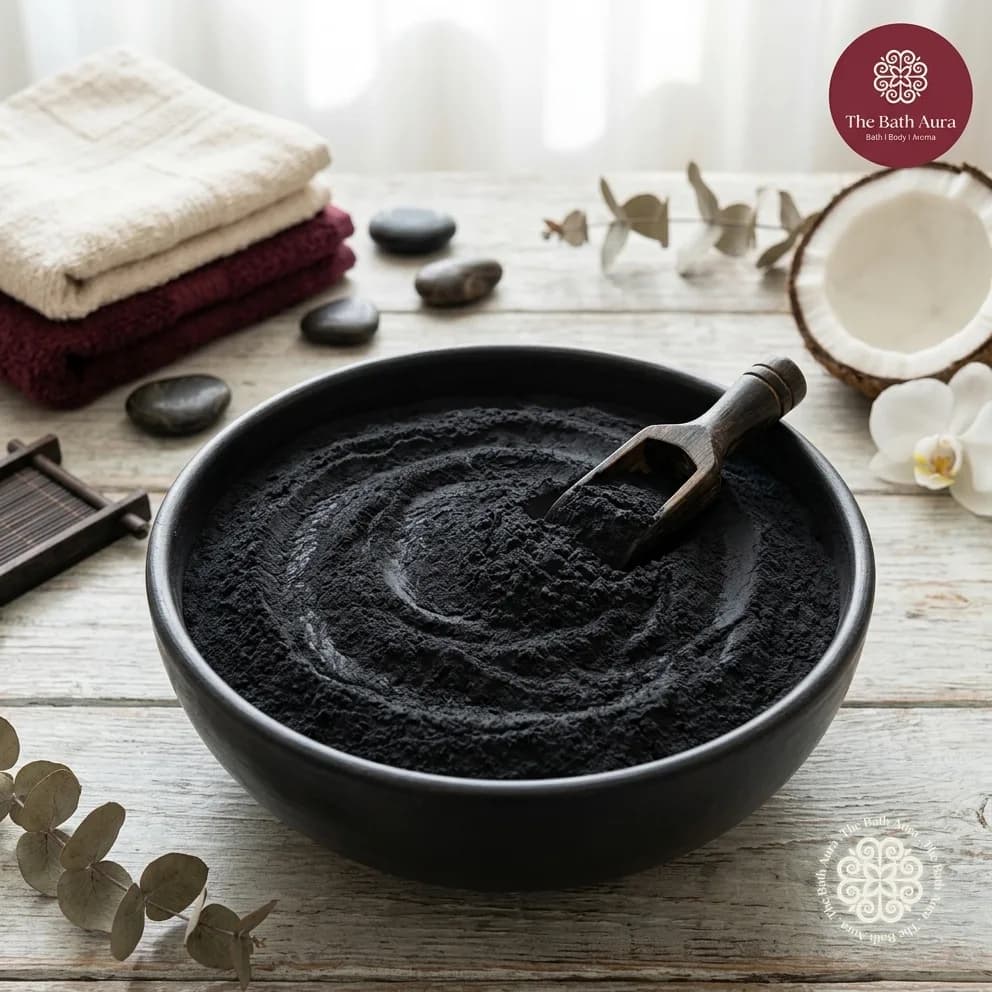
Activated Charcoal
Made from coconut shell, not coal
Steam-activated so its surface becomes porous enough to lift oil and city grime from skin. We use it in the bars meant for the end of a hot day — it is decisive without being harsh, and it turns the bar a proper deep black.
Draws out impuritiesCoconut shell
Find it in
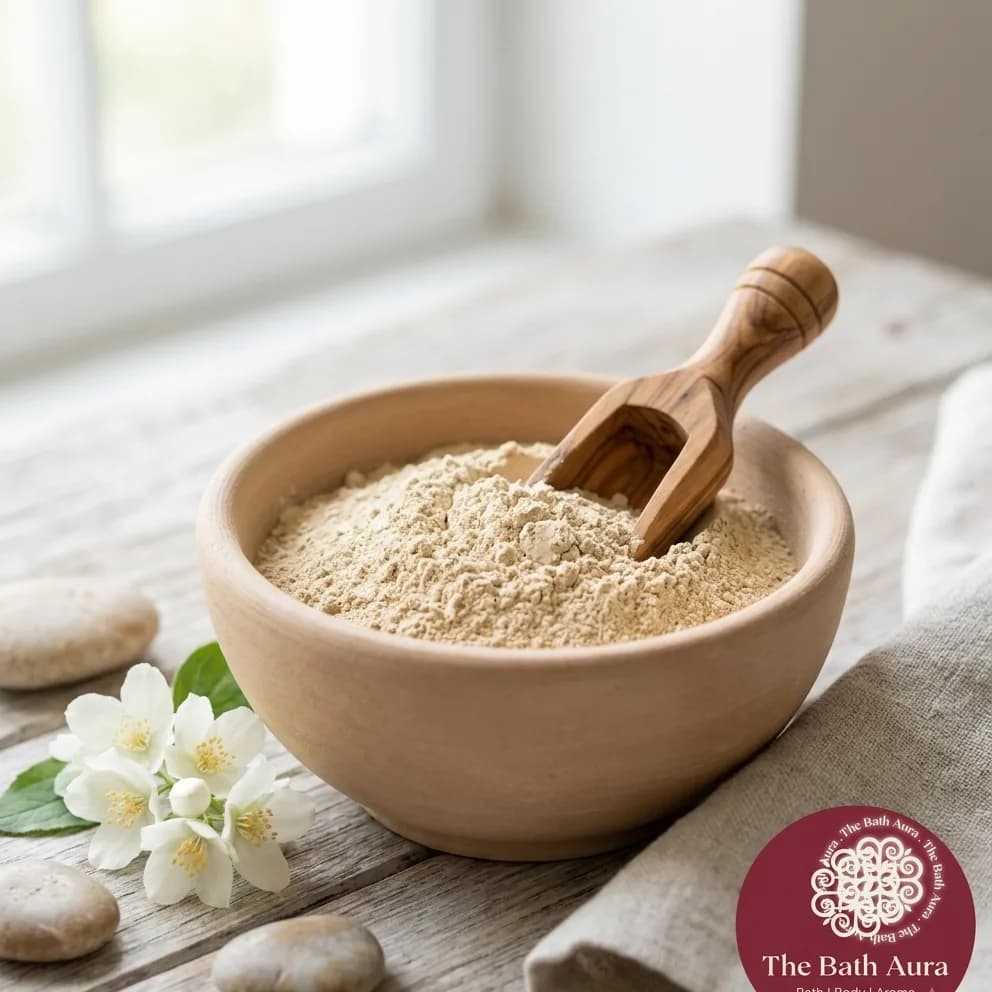
Multani Mitti
Fuller's earth, and the most decisive thing we use
The clay Indian households have reached for long before anyone called it skincare. It absorbs oil properly — which is exactly what oily skin wants and dry skin does not — so we keep it to the formulations built for it.
Absorbs excess oilRajasthan
Find it in
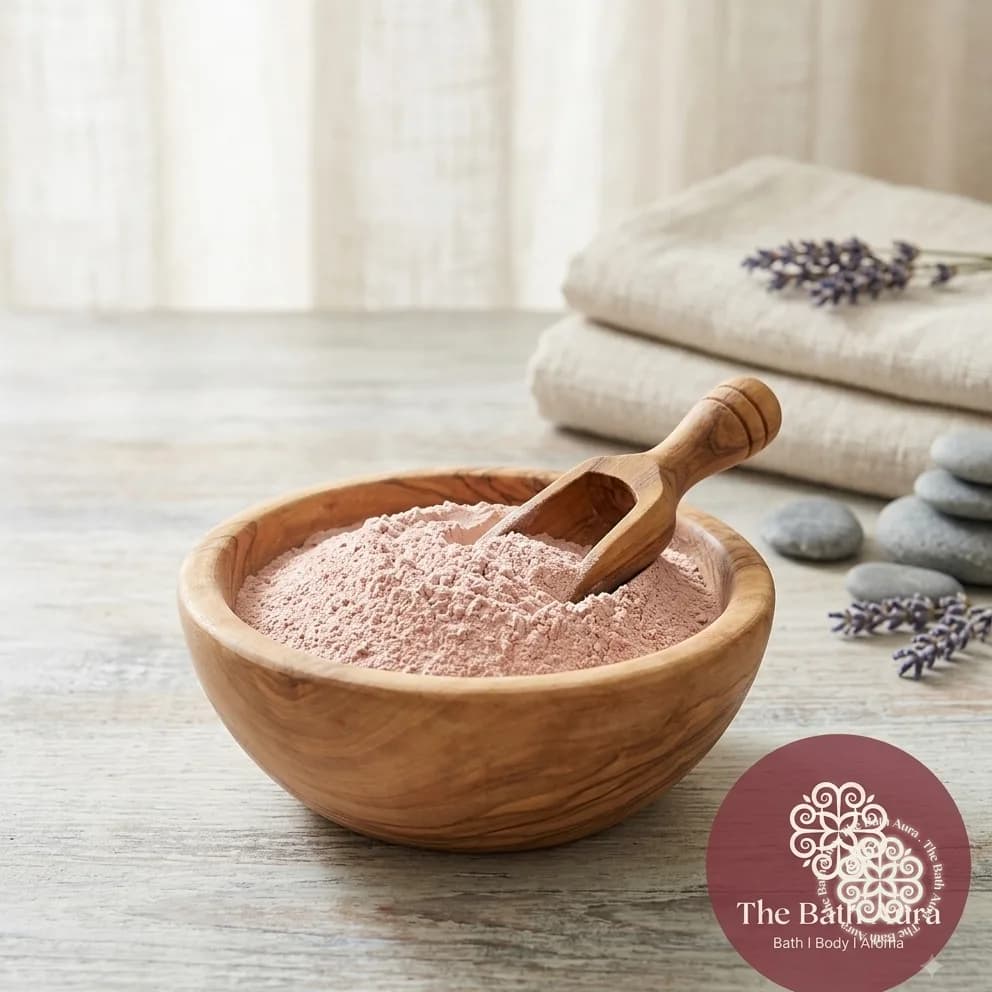
French Pink Clay
The polite one
The mildest clay we keep, and the one for skin that reacts to things. It cleanses gently rather than stripping, and lends the soft dusty rose that we never have to colour in.
Gentle cleansingProvence
Find it in
Botanical Powders
Ground plants, folded in for what they do rather than the colour they lend. Most of them do both.
6
Botanical Powders
Ground plants, folded in for what they do rather than the colour they lend. Most of them do both.
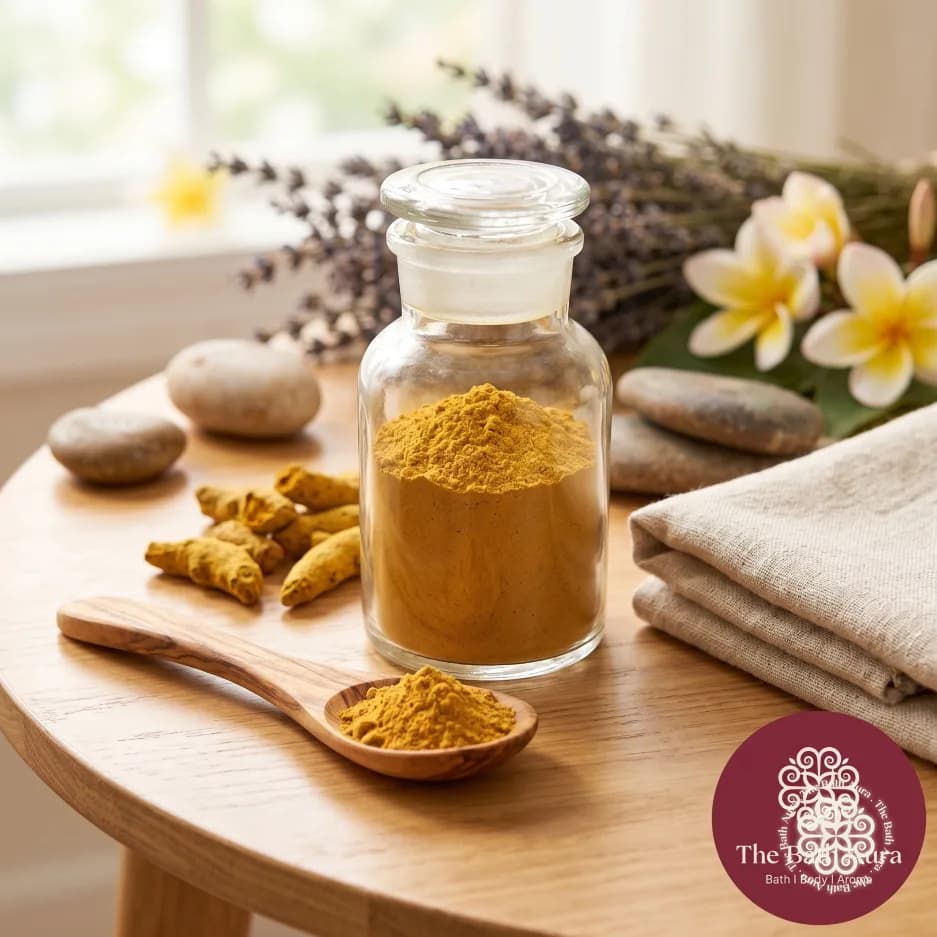
Turmeric
The one every Indian grandmother was right about
Used on skin here for centuries before it became a wellness word. We use it for its long-held purifying reputation and the warm gold it gives a bar — in a measured amount, because too much stains and does no more good.
Purifying and brighteningErode
Find it in
Neem
Purifying botanical care
The village pharmacy tree. Neem is bitter, unmistakable and long valued in Ayurvedic practice for keeping skin clear and balanced. We pair it with turmeric in the bar we make for skin that is having a difficult month.
ClarifyingTamil Nadu
Find it in
Colloidal Oats
The oldest comfort for angry skin
Oats ground fine enough to suspend in water rather than sink. They leave a soft film that calms the itch of skin that has been scratched at — which is why oatmeal baths have outlived every trend that tried to replace them.
Soothes irritation
Find it in
Orange Peel
A scrub that smells like the fruit it came from
Dried and ground to a grain fine enough to polish without scratching. It carries enough of the peel's own oil to scent a bar honestly, and it is the reason our orange bars do not need a fragrance to smell of orange.
Gentle exfoliationNagpur
Find it in
Beetroot
Colour from the kitchen, not the laboratory
Pressed for its deep red, which is a real pigment with a real season — it shifts a little batch to batch and we let it. Beetroot has long been used to bring warmth to dull-looking skin.
Natural colour, brightening
Find it in
Strawberry
From the hills above Mahabaleshwar
Freeze-dried and ground, so the fruit's own acids and colour survive. It is a light polish and a real scent at once — and it is seasonal, which is why the bars that use it come and go.
Fruit-acid polishMahabaleshwar
Find it in
Botanical Extracts
Pressed, pulped and infused — the wet botanicals, added for comfort.
4
Botanical Extracts
Pressed, pulped and infused — the wet botanicals, added for comfort.
Aloe Vera
Cut fresh, and used as pulp
The leaf's inner gel, used for burns and sun long before it was bottled. We use the pulp rather than a powder so it brings its own water into the formulation — which is the entire point of it.
Cooling and calmingCoimbatore
Find it in
Cucumber
The oldest thing to put on hot skin
Juiced, not extracted. Mostly water, faintly astringent, and immediately cooling — which is exactly what it is for in an Indian summer, and why nobody has improved on it.
Cooling
Find it in
Raw Honey
Unheated, so it is still doing something
A humectant that pulls moisture to the skin, and naturally antibacterial while it is raw. Heating honey is what destroys both, so ours is never pasteurised into the formulation.
Moisture and comfortSundarbans
Find it in
Papaya
Enzymes, not grit
Papain — the enzyme that tenderises — loosens dead surface skin chemically rather than by scrubbing. It is the gentler way to get the same brightness, and it suits skin too reactive for a scrub.
Enzyme resurfacing
Find it in
Essential Oils & Aromatics
Steam-distilled and solvent-extracted, bought by origin rather than by price. The most expensive column in our costing sheet, and the first thing you notice.
8
Essential Oils & Aromatics
Steam-distilled and solvent-extracted, bought by origin rather than by price. The most expensive column in our costing sheet, and the first thing you notice.
Rose Absolute
The most expensive thing in the workshop
It takes several thousand roses to make a few millilitres, which is why so much of what is sold as rose is not. Ours is a true absolute from Kannauj, where the distilling houses have worked the same way for four centuries — and a little of it perfumes a whole batch.
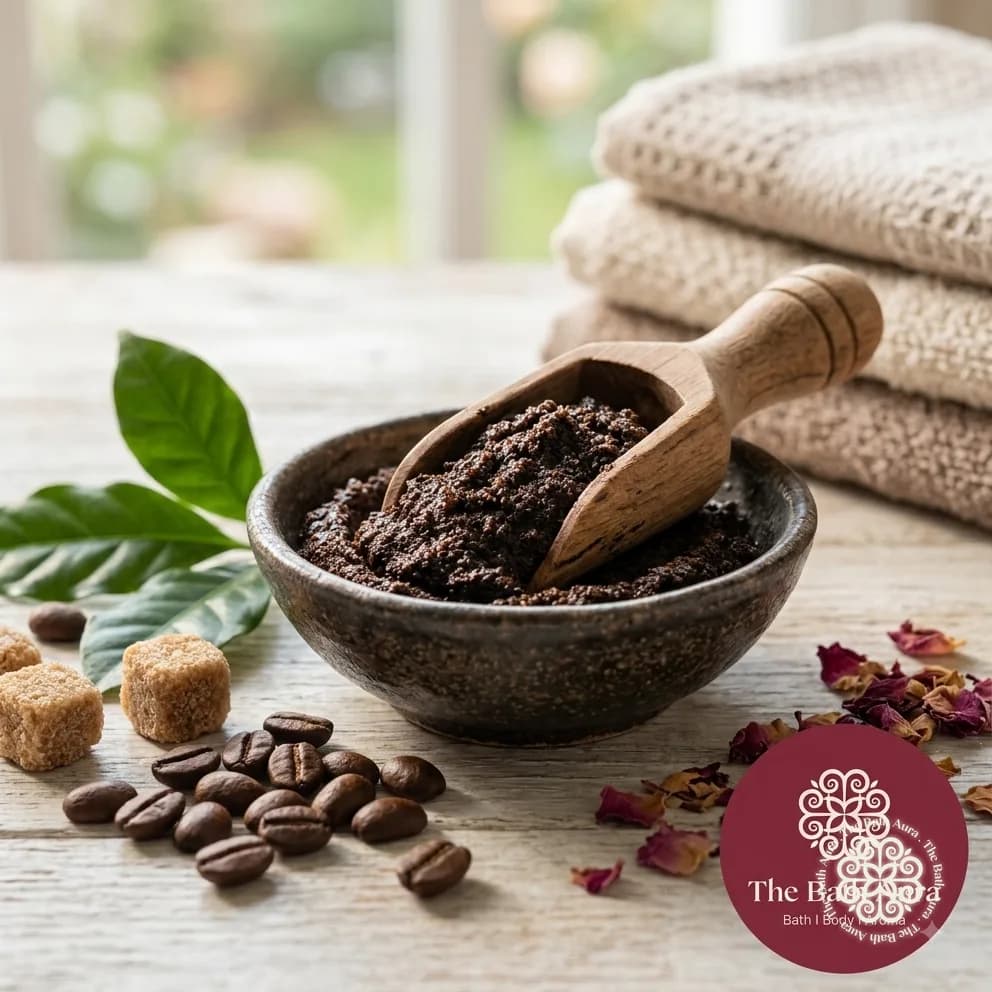
Coffee
Perfect exfoliator for your stressful day
Used twice over: ground for a proper morning scrub, and infused for the scent, which is nothing like a coffee fragrance oil. Coffee is also the only thing we have found that genuinely takes the smell of garlic off hands.
Waking scrub
Find it in
Lemongrass Oil
Sharp, green, and impossible to mistake
Steam-distilled from the leaf. It is the cleanest-smelling thing we keep — bright rather than sweet — and it is what makes a cold shower feel like a decision rather than a punishment.
Bright, reviving scentKerala
Find it in
Sweet Orange Oil
Cold-pressed from the peel
Not distilled — pressed, which keeps the smell of the fruit rather than the idea of it. It is the friendliest scent we make and the one children reach for.
Lifting, cheerful scentNagpur
Rosemary Oil
Herbal, and faintly medicinal
Distilled from the flowering tops. It is traditionally associated with the scalp and with clear-headedness, and it gives a bar a green, almost austere edge that cuts through sweetness.
Clarifying, herbalKashmir
Tea Tree Oil
For skin that is having a difficult week
Strong, unmistakably medicinal, and used sparingly for exactly that reason. It has a long-standing reputation for keeping blemish-prone skin clear, and we would rather it be noticeable than pointless.
Clarifying
Find it in
Vanilla
Real pods, from the Idukki hills
Vanilla is the second most expensive spice on earth and the most imitated smell in the world. Ours is extracted from cured pods grown in Kerala's high ranges — warmer and far less sweet than the synthetic version anyone would recognise.
Warm, quiet sweetnessIdukki
Find it in
Licorice
suggests licorice root extract may help treat a variety of skin conditions, such as acne and eczema.
Licorice root extract helps brighten skin, fade dark spots, and calm redness. It contains active compounds like glabridin, which stops pigment production, and liquiritin, which disperses existing dark spots. It is a gentle, natural ingredient used to soothe sensitive or irritated skin.
Grounding base note
Botanical Additions
Whole petals, peel and leaf. Visible on purpose — you should be able to see what is in a bar.
2
Botanical Additions
Whole petals, peel and leaf. Visible on purpose — you should be able to see what is in a bar.
Dried Rose Petals
Whole, and visible on purpose
Dried slowly so the colour holds. They are there to be seen — a bar should show you what is in it — and they scatter properly across the water when a salt is poured.
Visible botanical
Find it in
Dried Orange
Slices, cut and dried whole
Dried until the peel is translucent and the oil concentrates. Set into a bar they are the clearest signal there is that nothing here was made in a factory.
Visible botanical
Find it in
Natural Wax
What holds a candle together, and how cleanly it burns down.
2
Natural Wax
What holds a candle together, and how cleanly it burns down.
Soy Wax
Burns clean, and burns down
A vegetable wax that melts at a lower temperature than paraffin, so it burns longer and cooler and throws scent without needing heat to do it. It also washes out of a jar with hot water, which means the vessel outlives the candle.
Beeswax
For the candles that should smell of nothing but honey
Filtered but not bleached, so it keeps its own faint honey scent and its warm colour. It burns slower and firmer than any vegetable wax — and because it is an animal product, the candles that use it are not vegan, which we would rather say plainly than bury.
Where it comes from
Where it comes from
Named places, not “ethically sourced”. A place can be checked; an adjective cannot.
Khewra
Himalayan Pink Salt
The oldest working salt mine in the subcontinent.
Mineral soak
Provence
French Pink Clay
Quarried from the ochre beds of southern France.
Gentle cleansing
Erode
Turmeric
Tamil Nadu's turmeric city, and the country's benchmark.
Purifying and brightening
Nagpur
Orange Peel
India's orange city.
Gentle exfoliation
Sundarbans
Raw Honey
Wild-gathered from the mangrove forest.
Moisture and comfort
Kannauj
Rose Absolute
India's perfume capital since the Mughal courts.
True rose, no substitute
Made with care
How it is made matters as much as what is in it
- Batches of sixty
- Small enough that one person watches the whole pour. Nothing is made a pallet at a time, which is why a colour shifts a little between batches — and why we would rather it did.
- Made by hand
- Melted, blended, poured, cut and wrapped by hand. The cutting marks are real, and no two bars weigh the same to the gram.
- Never tested on animals
- Not by us, and not by anyone we buy from. There is no version of a bar of soap that needs an animal to prove it is safe.
- Vegan, where it can be
- Most of the range is. The honey soap and the beeswax candles are not, and they are named as such on their own pages rather than hidden behind an asterisk.
Allergen note: several formulations carry naturally occurring fragrance allergens — limonene, linalool, citral, geraniol — because citrus peel, lavender, lemongrass and rose contain them. They are declared on the pack. If you react to essential oils, the Oats & Honey bar has none at all. That is the one we would point you to first.
And what we never use
What we never use
An exclusion list is only worth reading if it costs the writer something. Two of these cost us money. One of them contains an admission.
- SLS and SLES
- Sodium lauryl sulphate makes an enormous lather very cheaply, and at the concentration required to do so it is drying. It is not poison and we are not going to pretend it is. We get the lather from coconut oil and castor instead, which costs more and behaves better.
- Parabens
- A bar of soap is alkaline, and that is a hostile place for a microbe to try to live. It does not need a preservative, so it does not have one. This is a fact about the formulation rather than a virtue — a water-based lotion would need something, and if we ever make one, we will tell you what.
- Palm oil
- This one costs us real money. Palm makes a harder, cheaper, more reliable bar than rice bran and coconut do, and every soapmaker who has dropped it knows exactly what they gave up. We think the deforestation arithmetic settles it. RSPO-certified palm exists and we have looked at it more than once.
- Synthetic fragrance in the soaps and salts
- Essential oils and absolutes only, bought by origin. It is why the Rose costs what it does — rose absolute runs to roughly a hundred times the price of a rose fragrance oil. The candles are the exception and we say so on the right, because we would rather be exact than clean.
- Animal testing
- Not by us, and not by anyone we buy from. We are a small soap company in India; there is no plausible reason for a bar of soap to be tested on an animal, and no version of this where the claim is difficult to make.
- Mineral oil and paraffin
- Both are petroleum fractions. Paraffin is the standard candle wax because it is cheap and takes scent well; it also burns dirtier. We pour soy and beeswax, which cost more, tunnel more readily, and are worth it.
The whole industry uses the phrase and almost nobody defines it. So here is ours, in full: the six things listed above are not in anything we make. No sulphates, no parabens, no palm oil, no synthetic fragrance in the soaps and salts, no mineral oil or paraffin, and nothing tested on an animal.
That is a list you can hold us to, which is the only kind worth printing. Every ingredient we do use is named above with its INCI name — the one on the regulator’s list, not the one that sounds nicest — so you can check the claim rather than take it.
Everything above is written up because it earns the space. All 49 materials across every formulation — the bases, the wicks and the wax included — are listed in full on each product page.
Shop the range